Leave Your Message

Top 10 Advantages of Cold Plate Cooling for Global Buyers?

In the rapidly evolving world of electronics, efficient thermal management is crucial. Cold Plate Cooling has emerged as a leading solution. Experts like Dr. Emily Carter emphasize its significance. She states, "Cold Plate Cooling not only enhances performance but also prolongs the lifespan of sensitive components."

This innovative cooling method attracts global buyers due to its numerous advantages. It provides consistent temperature control, essential for high-performance systems. By utilizing advanced materials, cold plates efficiently dissipate heat, making them ideal for demanding applications.

Furthermore, the reliability of Cold Plate Cooling cannot be overstated. Yet, implementation requires careful consideration of design parameters. Some may overlook crucial factors, leading to suboptimal performance. Understanding these elements is vital for ensuring effective cooling solutions.

Top 10 Advantages of Cold Plate Cooling for Global Buyers?

Understanding Cold Plate Cooling Technology and Its Mechanisms

Top 10 Advantages of Cold Plate Cooling for Global Buyers?

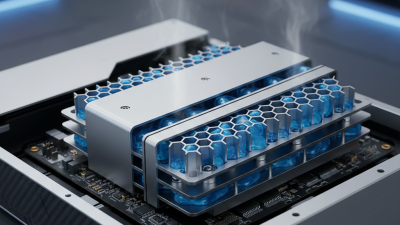
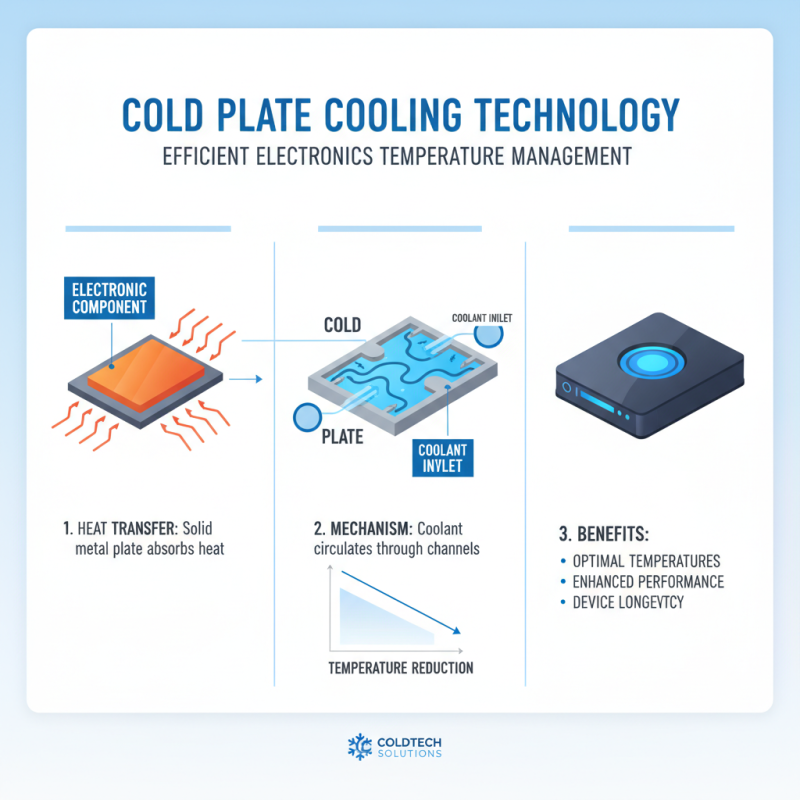
Cold plate cooling technology is a highly effective method for temperature management in electronics. It utilizes a solid metal plate with coolant channels. This design enables efficient heat transfer from the component to the coolant. As a result, cold plate cooling can maintain optimal operating temperatures, enhancing device performance and longevity.

This system works by circulating liquid coolant through the channels. Heat generated by electronics transfers to the plate. The more efficient the coolant flow, the faster the heat dissipation. However, designers must consider the fluid dynamics involved. Incorrect channel designs may lower performance and lead to hot spots.

Adopting cold plate cooling also introduces challenges. Installation can be complex and may require precise alignment. Maintenance is key, as leaks or coolant degradation can cause failures. It's crucial to assess these factors before implementation. Balancing performance with potential risks will ensure reliability in cooling solutions.

Efficiency in Thermal Management: The Role of Cold Plates

Top 10 Advantages of Cold Plate Cooling for Global Buyers?

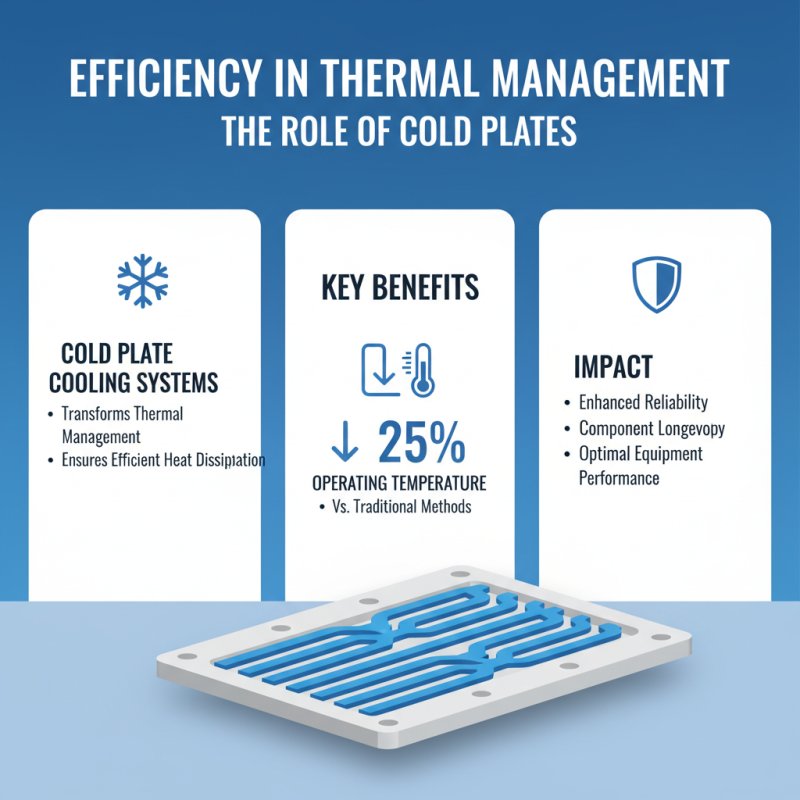
Cold plate cooling systems are transforming the landscape of thermal management in various industries. These systems ensure efficient heat dissipation, which is critical for optimal equipment performance. Reports show that they can reduce the operating temperature by up to 25% compared to traditional cooling methods. This efficiency translates into enhanced reliability and longevity of components.

One of the key advantages of cold plate systems is their ability to manage heat with minimal fluid flow. Studies indicate that a well-designed cold plate can achieve a heat transfer coefficient of over 10,000 W/m²K. This capability allows for better cooling while reducing energy consumption. In sectors like electronics and renewable energy, thermal management is vital. Without it, devices may overheat, leading to efficiency loss and potential failures.

Despite these benefits, implementation can be challenging. Designing the right cold plate involves understanding the specific thermal loads of each application. Moreover, selecting materials that conduct heat efficiently without adding significant weight is crucial. Not all applications will benefit equally from cold plate cooling. It requires a careful assessment to ensure the investment aligns with thermal management needs.

Cost-Effectiveness of Cold Plate Cooling Solutions for Buyers

Cold plate cooling solutions have become increasingly popular among global buyers due to their cost-effectiveness. According to a 2023 industry report, companies can save up to 30% on cooling expenses by adopting these systems. This savings stems from their efficient heat transfer capabilities, allowing for reduced energy consumption. A well-designed cold plate system can maintain optimal temperatures in electronics, ensuring longevity and reliability without incurring high energy costs.

Moreover, the initial investment in cold plate cooling technology often pays off within a few years. Data from market analysis indicates that the lifespan of electronic components can increase by 40% when properly cooled. This direct correlation between effective cooling and reduced failure rates is crucial for manufacturers looking to minimize maintenance costs. While the upfront costs may seem daunting, the long-term financial benefits are undeniable.

However, it's essential for buyers to consider the specifics of their application. Not every setup will require a full-fledged cold plate system. Careful assessment is necessary to avoid over-investing in cooling solutions that may not yield significant returns. Flexibility in design and scalability are also factors that can impact overall cost. By harmonizing these aspects, buyers can ensure they achieve the best value for their investment in cold plate cooling solutions.

Top 10 Advantages of Cold Plate Cooling for Global Buyers

Advantage Description Cost Impact Energy Efficiency
Compact Design Minimal footprint suitable for space-constrained applications. Reduces additional housing costs. Enhances applicability in portable devices.
Uniform Cooling Delivers consistent thermal management across a device. Minimizes the risk of overheating-related failures. Lowers energy consumption due to reduced thermal cycling.
Reliability Robust materials ensure long-lasting performance. Decreases maintenance costs over time. Enhances overall system efficiency.
Easy Integration Compatible with various hardware setups. Saves on installation expenses. Reduces energy wastage during setup.
Scalability Easily adjustable to larger systems. Facilitates growth without additional infrastructure. Optimizes energy use as demands increase.
Customizability Tailorable to specific applications and requirements. Reduction in over-engineering costs. Maintains optimal energy use through precision.
Environmentally Friendly Utilizes sustainable materials and processes. Potential for reduced regulatory costs. Leads to lower emissions and energy usage.
Enhanced Performance Improves device functionality and lifespan. Less frequent replacements needed, lowering long-term costs. Maintains high-efficiency levels during operation.
Cooling Efficiency Maximizes cooling contact on critical components. Improves cost savings through effective cooling solutions. Enhances overall system efficiency and performance.

Scalability and Customization: Tailoring Cold Plate Solutions

Cold plate cooling systems offer significant advantages for industries needing efficient thermal management. Scalability is a critical feature of these systems. Companies often require tailored solutions to meet specific heat dissipation challenges. According to a recent industry report, nearly 70% of manufacturers prioritize customizable solutions to enhance performance and efficiency. This customization allows for designs that integrate seamlessly into various applications, increasing the overall effectiveness of cooling systems.

Flexibility in design means that cold plates can be adjusted to fit a wide array of sizes and shapes. This adaptability addresses different cooling needs, from compact electronic devices to large industrial machinery. By analyzing thermal loads, engineers can create unique configurations that optimize heat transfer. Not all setups are perfect, though; sometimes, rapid scaling leads to oversights in thermal capacity. Documented failures show that inadequate initial assessments can compromise performance.

Moreover, the ability to modify materials and channel layouts further enhances cold plate performance. To achieve this, it’s essential to stay updated on material innovations and fluid dynamics. Industry experts suggest that failure to consider emerging technologies can lead to missed opportunities for improvement. Addressing these gaps is vital in the pursuit of efficient thermal solutions.

Comparative Analysis: Cold Plate Cooling vs. Traditional Methods

Cold plate cooling is gaining traction among global industries. It offers significant advantages over traditional cooling methods. One key benefit is efficiency. Cold plates provide direct thermal management. This means quicker heat dissipation, leading to better system performance. Traditional air-cooling methods often fall short, as they rely on external airflow. This can lead to hot spots, where components may overheat, affecting overall reliability.

Another notable aspect is size and design versatility. Cold plates can be integrated into various system configurations. This allows manufacturers to save space and enhance designs. In contrast, traditional cooling systems can require more room and complex setups. Additionally, cold plates often lead to quieter operations. They eliminate the noise of fans, creating a more conducive environment for sensitive applications.

Tips: When considering cooling solutions, evaluate system requirements carefully. Seek expert advice to understand the best options available. Proper installation and maintenance are crucial for optimal performance. Regular assessments may reveal efficiency gaps that need addressing. Balancing cost and efficiency is essential in decision-making. Cold plates may have higher initial costs, but they often yield long-term savings through lower energy consumption.