How to Choose the Best Heat Transfer Pipes for Your Needs?
When it comes to choosing the best heat transfer pipes for your projects, the decision can feel overwhelming. Heat transfer pipes play a crucial role in efficiently transporting thermal energy. Selecting the right type is essential for optimal performance. Each application has unique requirements, making this choice more complex.
Understanding the materials involved is critical. Different pipes offer varying heat resistance and conductivity. This diversity adds another layer to your decision-making process. You must consider factors like temperature range and application type. Ignoring these details can lead to inefficiencies and increased costs.
Additionally, not all manufacturers are equal. Brands differ in quality and reliability. It’s important to research and assess their reputations. Gathering feedback from experienced users can guide you toward a trustworthy option. Balancing these factors helps in making an informed choice in this intricate field of heat transfer pipes.
Understanding Heat Transfer Pipe Basics and Applications
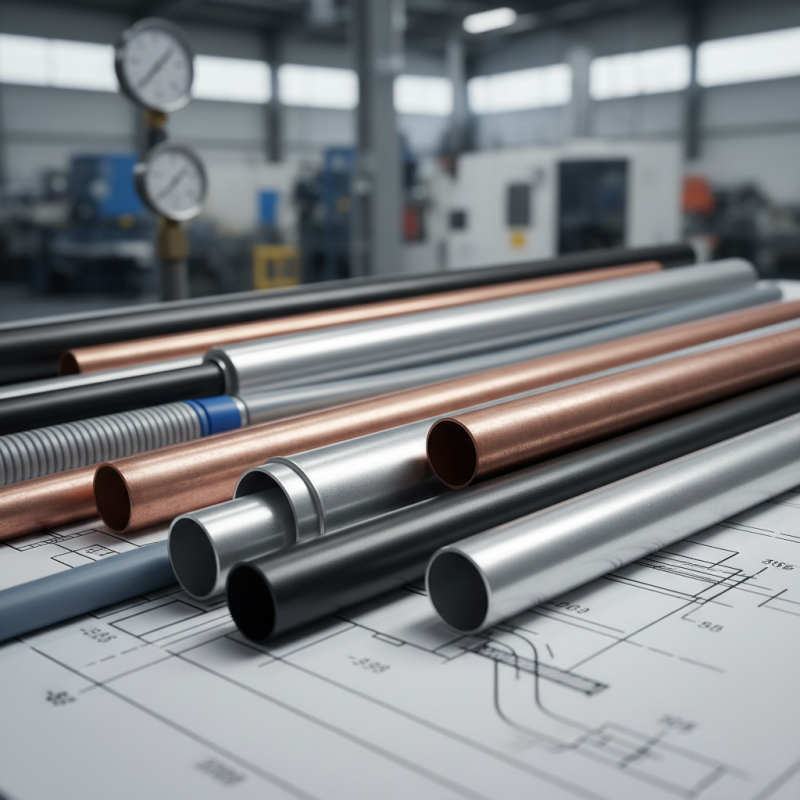
Heat transfer pipes play a critical role in various industries, from HVAC systems to automotive applications. Understanding their basics can significantly impact your choice. These pipes transfer heat efficiently between two mediums. Common types include copper, aluminum, and stainless steel. Each type has distinct thermal conductivity. Consider what material suits your needs best based on the temperature range and pressure levels.
Applications vary widely. For instance, in refrigeration, pipes must hold up under low temperatures. In contrast, industrial processes may require high-pressure resistance. Evaluating the specific conditions where the pipes will be used is essential. Sometimes people overlook this detail and end up with inappropriate materials. Reflecting on past experiences can guide better decisions.
Despite selecting the right pipe, issues can still arise. Thermal expansion often leads to stress points in pipes. Regular maintenance and inspections can help mitigate these problems. Education and awareness about these factors make a significant difference. The more knowledgeable you are, the less likely you are to face major failures. This understanding builds confidence in your choices. The right heat transfer pipe is not just about choice; it’s about a deeper understanding of your unique applications.
Heat Transfer Pipes Performance Comparison
Key Factors to Consider When Selecting Heat Transfer Pipes
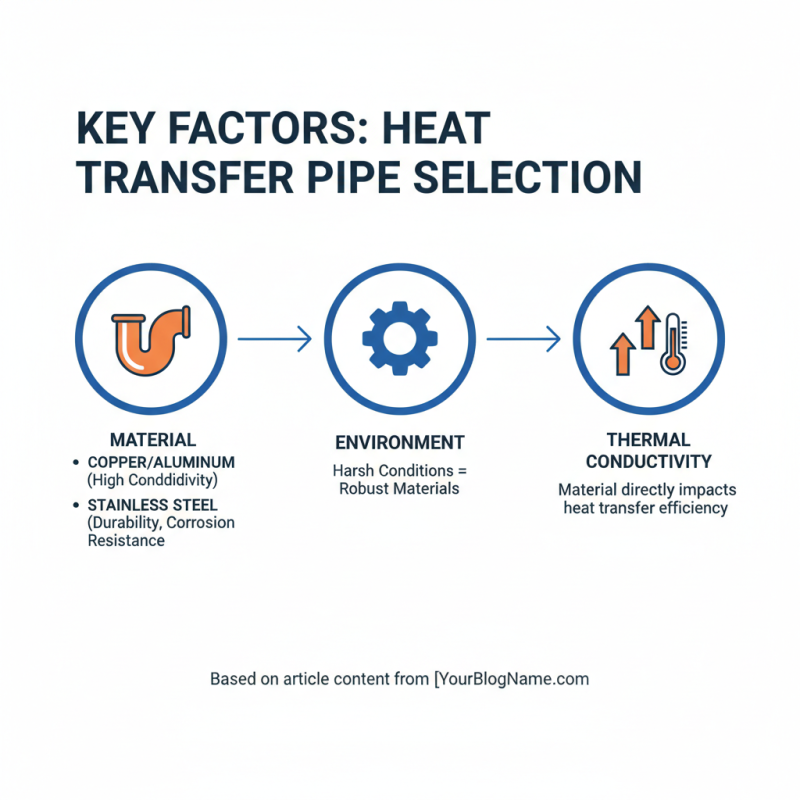
When choosing heat transfer pipes, several key factors come into play. The material is critical. Copper and aluminum offer excellent thermal conductivity. Stainless steel, while less conductive, provides durability and corrosion resistance. Evaluate the specific environment where the pipes will operate. Harsh conditions may require more robust materials.
Another important consideration is the pipe diameter. Larger diameters may improve flow rates, but they can also increase costs. It's essential to balance efficiency with budget constraints. Think about the application, too. Are you dealing with high temperatures or a corrosive environment? This will affect your choice.
Installation and maintenance requirements can also influence your decision. Some pipes need special handling during installation, while others may not offer easy access for cleaning. Evaluate your team's expertise. A lack of experience can lead to mistakes and inefficiencies. Consider all these aspects carefully to ensure your selection matches your operational needs effectively.
Types of Heat Transfer Pipes and Their Specific Uses
When selecting heat transfer pipes, understanding the types available is crucial.
Copper pipes are among the most common options. They offer excellent thermal conductivity, making them ideal for high-temperature applications. Many HVAC systems utilize these pipes due to their reliability. Yet, copper can be expensive and may corrode if not properly maintained.
Aluminum pipes are another option. They are lightweight and resistant to corrosion. This makes them suitable for various applications, including refrigeration. However, they may not perform as well as copper in extreme heat. They also can be less durable over time, leading to potential failures.
Stainless steel pipes are known for their strength and resistance to high temperatures. These pipes can handle volatile environments, making them ideal for industrial processes. However, their higher cost can be a concern for some users. Ultimately, choosing the right heat transfer pipe involves considering specific needs and potential trade-offs. Each type brings unique benefits and challenges.
It’s essential to reflect on what matters most for your application.
Material Selection for Optimal Heat Transfer Efficiency
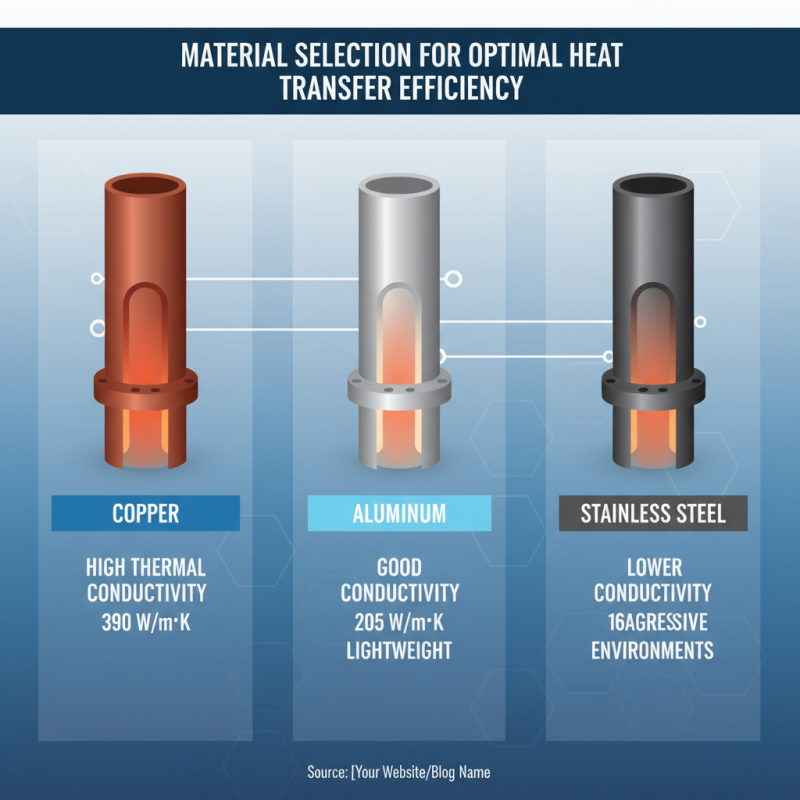
Choosing the right materials for heat transfer pipes is crucial for efficiency. Various materials exhibit different thermal conductivity properties, influencing performance. Copper, known for its high thermal conductivity (around 390 W/m·K), remains a top choice for many applications. Aluminum follows, with good conductivity (around 205 W/m·K) and a lighter weight. For aggressive environments, stainless steel is preferred, despite its lower conductivity of about 16 W/m·K.
According to industry reports, using the right material can enhance heat transfer efficiency by over 15%. This improvement not only reduces energy costs but also prolongs equipment lifespan. Lightweight materials can simplify installation, but they may compromise durability. Always consider the operating temperature and pressure when selecting materials.
Tip: Evaluate the application environment. Materials like copper work well in controlled settings, while stainless steel is better for harsh conditions. Reflection on these choices can lead to better decision-making. Analyzing past performance metrics can also guide future selections. Aim for a balance between efficiency and durability for optimal results.
Evaluating Performance Standards and Certifications for Pipes
When selecting heat transfer pipes, evaluating performance standards and certifications is crucial. The right certifications ensure pipes meet safety and efficiency benchmarks. For instance, pipes adhering to ASTM standards have undergone rigorous testing. These standards allow users to gauge the expected durability and thermal conductivity.
Moreover, various industry reports, like the one from the International Heat Transfer Association, emphasize the importance of thermal efficiency ratings. Pipes with higher ratings demonstrate better performance in energy transfer, thus reducing operational costs. It's essential to consider these aspects when choosing a product.
However, some certifications might not be applicable in all regions, complicating the selection process. This can lead to potential mismatches in expectations. A detailed understanding of local regulations ensures the chosen pipe meets specific needs. Always question if the certifications align with your project's requirements.
How to Choose the Best Heat Transfer Pipes for Your Needs? - Evaluating Performance Standards and Certifications for Pipes
| Pipe Material |
Thermal Conductivity (W/m·K) |
Pressure Rating (bar) |
Operating Temperature Range (°C) |
Certifications |
| Copper |
401 |
20 |
-200 to 250 |
ASTM, ISO |
| Aluminum |
237 |
25 |
-40 to 150 |
ASTM, EN |
| Stainless Steel |
16 |
30 |
-200 to 500 |
ASME, ISO |
| PVC |
0.19 |
10 |
-15 to 60 |
ASTM, ISO |
| Pex |
0.25 |
6 |
-40 to 95 |
BS, ISO |








 Mr. Perry Wu International Sales Director