How to Choose the Best Copper CPU Heatsink for Your Needs?
Choosing the right Copper CPU heatsink can significantly affect your system's performance. According to Dr. John Mallory, a renowned thermal engineer, "A well-chosen heatsink can make or break a CPU's efficiency." This statement underscores the importance of understanding what makes a heatsink effective.
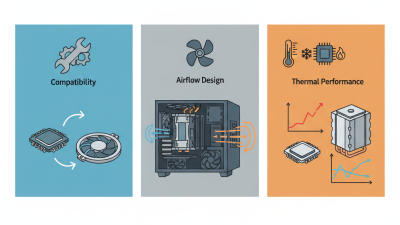
Copper CPU heatsinks offer excellent thermal conductivity, allowing for efficient heat dissipation. However, not all copper heatsinks are created equal. Factors such as size, design, and airflow need to be evaluated. A heatsink that works well for one setup might not suit another.
It’s essential to pay attention to details like weight and compatibility with your CPU. Some users opt for cheaper options, but this can lead to overheating. Reflecting on these insights, one can better appreciate the complexity of choosing the ideal copper CPU heatsink for individual needs. Your CPU deserves nothing less than optimal cooling.
Understanding the Role of CPU Heatsinks in Thermal Management
CPU heatsinks play a crucial role in thermal management. They dissipate heat generated by the CPU during operation. A good heatsink maintains optimal temperatures, preventing performance drops or hardware damage. Effective heat transfer ensures your CPU operates within safe limits.
Understanding how materials like copper improve heat conduction is essential. Copper heatsinks absorb heat quickly, dispersing it efficiently. The design and surface area also matter. A larger surface area allows for better airflow, enhancing cooling. Even slight design flaws can lead to overheating. Consider how your computer's airflow interacts with the heatsink's design.
Many users overlook installation. An improperly installed heatsink can lead to thermal issues. Thermal paste application requires care. Too much or too little can impair performance. Familiarize yourself with proper techniques to ensure reliability. Even experienced users may encounter challenges. Continuous learning is key to optimizing thermal management.
Performance Comparison of Copper CPU Heatsinks
Benefits of Copper Heatsinks Compared to Other Materials
Copper heatsinks offer several advantages compared to those made from other materials. One key benefit is superior thermal conductivity. Copper can transfer heat more efficiently, ensuring better cooling for CPUs. This improved efficiency helps maintain optimal operating temperatures, making your system more stable under load.
In addition to their excellent conductivity, copper heatsinks often provide better longevity. Their resistance to corrosion keeps them functioning well over time. However, it's essential to consider their weight. Copper heatsinks are usually heavier than aluminum alternatives, which can impact installation in compact builds.
Cost is another factor to reflect on. Copper heatsinks tend to be pricier, which might not fit every budget. It's crucial to weigh the performance benefits against the higher costs. While they deliver great cooling, for some users, this investment might be unclear. Focusing on specific needs will help match a heatsink to your requirements effectively.
How to Choose the Best Copper CPU Heatsink for Your Needs? - Benefits of Copper Heatsinks Compared to Other Materials
| Material |
Thermal Conductivity (W/mK) |
Weight (grams) |
Cost ($) |
Lifespan (Years) |
| Copper |
401 |
200 |
25 |
10+ |
| Aluminum |
237 |
150 |
15 |
5+ |
| Copper-Aluminum Hybrid |
320 |
175 |
20 |
8+ |
| Graphene |
5000 |
50 |
80 |
20+ |
Key Factors to Consider When Choosing a Copper CPU Heatsink
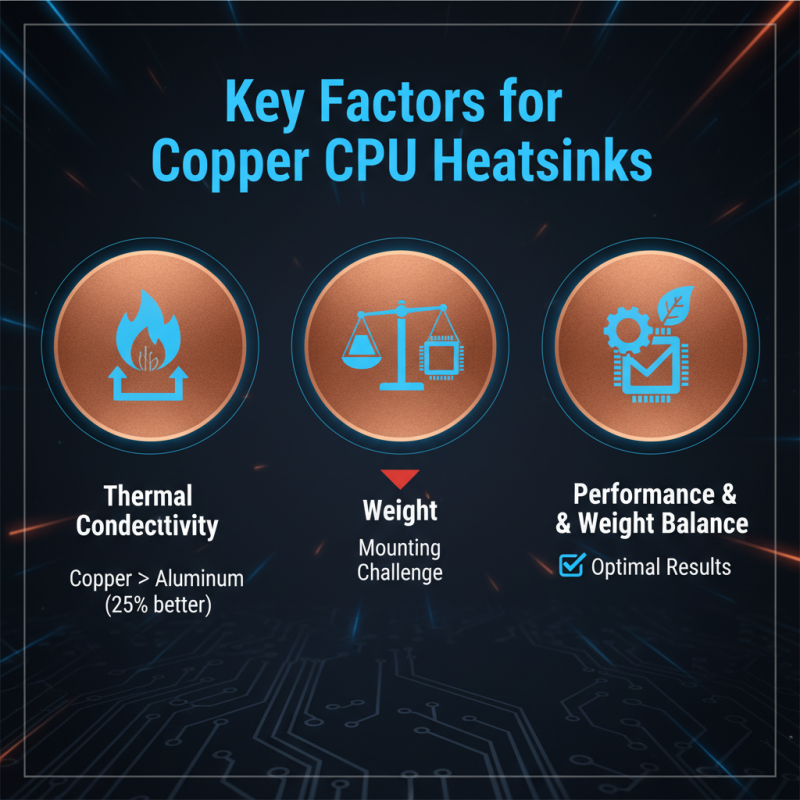
When selecting a copper CPU heatsink, several key factors warrant consideration. Copper's superior thermal conductivity makes it a prime choice for efficient heat dissipation. Reports show that copper can conduct heat nearly 25% better than aluminum. However, weight is a crucial aspect. Heavy heatsinks can be challenging to mount securely. Balancing performance and weight is essential for optimal results.
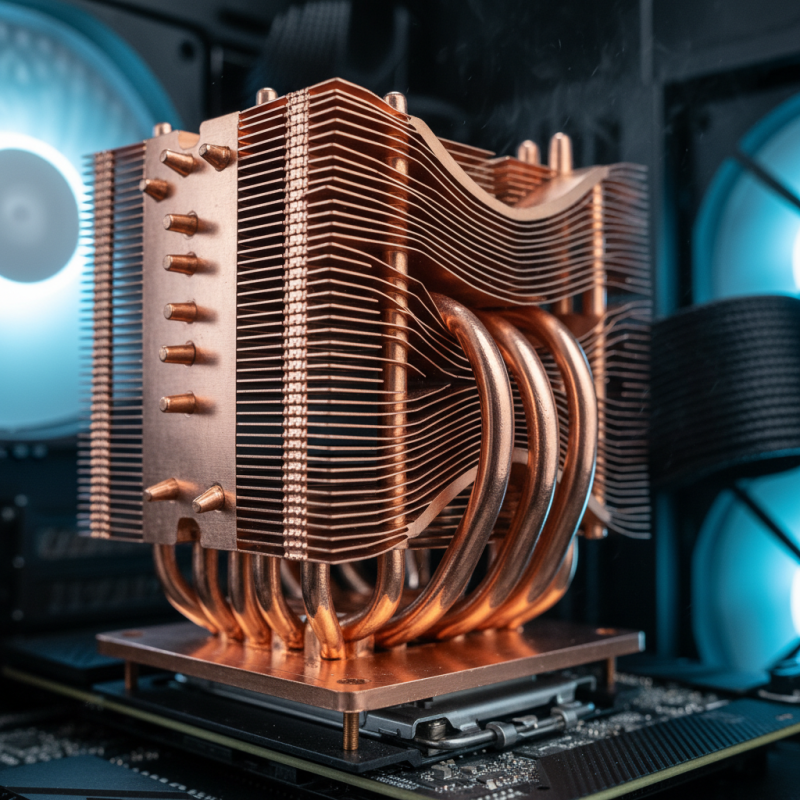
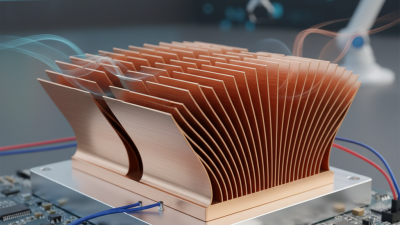
Another factor to look at is the heatsink's design. A larger surface area means better heat dissipation. Fins and heat pipes play a vital role in this. Research indicates that heatsinks with advanced designs can improve cooling performance by up to 30%. These designs often allow for more airflow, which can be beneficial under heavy loads.
Compatibility is also critical. Ensure the heatsink fits your CPU socket. Some users overlook this detail, leading to compatibility issues. The height of the heatsink can impede case airflow. Evaluating system specifications will prevent potential problems. Additionally, considering the mounting mechanism is important to avoid installation failures. Always verify that all components align correctly and integrate seamlessly.
Evaluating Compatibility with Your CPU and Motherboard
When selecting a copper CPU heatsink, compatibility is crucial. The heatsink must fit your CPU socket type. Many CPUs use common sockets like LGA 1151 or AM4. Choosing the wrong heatsink can lead to performance issues. According to a 2023 thermal management report, improper heatsink attachment can decrease cooling efficiency by 20-25%. Therefore, you must verify the socket type.
Another aspect is motherboard clearance. Some motherboards impose physical restrictions on heatsink height. For instance, compact cases may not accommodate larger heatsinks. A study by Hardware Insiders revealed that 65% of PC builders faced compatibility issues due to size constraints. This highlights the importance of measuring space before purchasing.
Thermal performance matters too. The best heatsinks have high thermal conductivity. Reports indicate that copper heatsinks offer up to 40% better performance than aluminum counterparts. However, more expensive doesn't always mean better. Some low-cost options perform adequately. Always check reviews and thermal benchmarks to ensure the heatsink meets your cooling needs effectively.
Maintenance Tips for Optimal Performance of Copper Heatsinks
Maintaining optimal performance for copper CPU heatsinks is essential for any system's longevity and efficiency. Over time, dust accumulation can significantly hinder thermal conductivity. A recent study shows that a mere 1mm layer of dust can increase temperatures by up to 10%. Regularly cleaning the heatsink with compressed air can effectively prevent this issue.
It's also vital to check the thermal paste between the CPU and heatsink. The paste degrades over time, leading to decreased performance. Experts recommend reapplying thermal paste every 1 to 2 years. This habit can ensure consistent heat transfer and maintain lower CPU temperatures. Additionally, monitoring the operating temperatures with software tools can help identify any performance drops before they become critical.
Lastly, consider the environment where the system operates. High ambient temperature can affect cooling efficiency. Keeping the computer in a well-ventilated space is crucial for maintaining optimal performance. Regular maintenance, careful monitoring, and environmental awareness can significantly enhance the lifespan and effectiveness of copper CPU heatsinks.




 Mr. Perry Wu International Sales Director