What is a Skiving Heat Sink and Why Choose It for Your Needs?
In today's high-performance electronics industry, the demand for effective thermal management solutions is more critical than ever. A Skiving Heat Sink is emerging as a preferred option. According to a recent report from the Thermal Management Association, efficient heat dissipation can improve device reliability by up to 40%. This statistic underscores the importance of choosing the right thermal solution.
Dr. Emily Chen, a leading thermal engineer, states, "A Skiving Heat Sink provides unparalleled surface area while minimizing weight." This insight highlights a key advantage of skiving technology: it creates fins that are both lightweight and highly effective. The growth of electric vehicles and powerful CPUs increases the need for such innovative designs. Many companies overlook this option, believing traditional heat sinks suffice.
However, the right choice can lead to significant improvements in performance. Fluctuations in temperature can lead to device failure, making thermal management vital. A Skiving Heat Sink, with its unique manufacturing process, can be the answer to these challenges, striking a balance between efficiency and compactness. Embracing this advanced solution could redefine our approach to heat dissipation.
What is a Skiving Heat Sink?
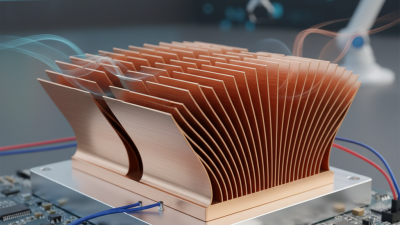
A skiving heat sink is a specialized thermal management component. It is designed to efficiently dissipate heat from electronic devices. The process of skiving involves slicing metal to create thin fins. This increases the surface area, allowing for better heat transfer.
These heat sinks are often made from copper or aluminum due to their thermal conductivity. A well-designed skiving heat sink can manage heat in high-performance applications. It is crucial in industries like aerospace and telecommunications.
Tips: When choosing a skiving heat sink, consider the dimensions. The size of the heat sink must suit your device. Ensure it fits within the design constraints. Evaluate the thermal requirements. Analyze the heat load of your application to ensure efficiency.
Keep in mind that not all designs work perfectly. Issues can arise with airflow or mounting. It's vital to test the heat sink under real operating conditions. This helps in verifying its performance metrics, enabling better decisions in future projects.
The Mechanism Behind Skiving Technology
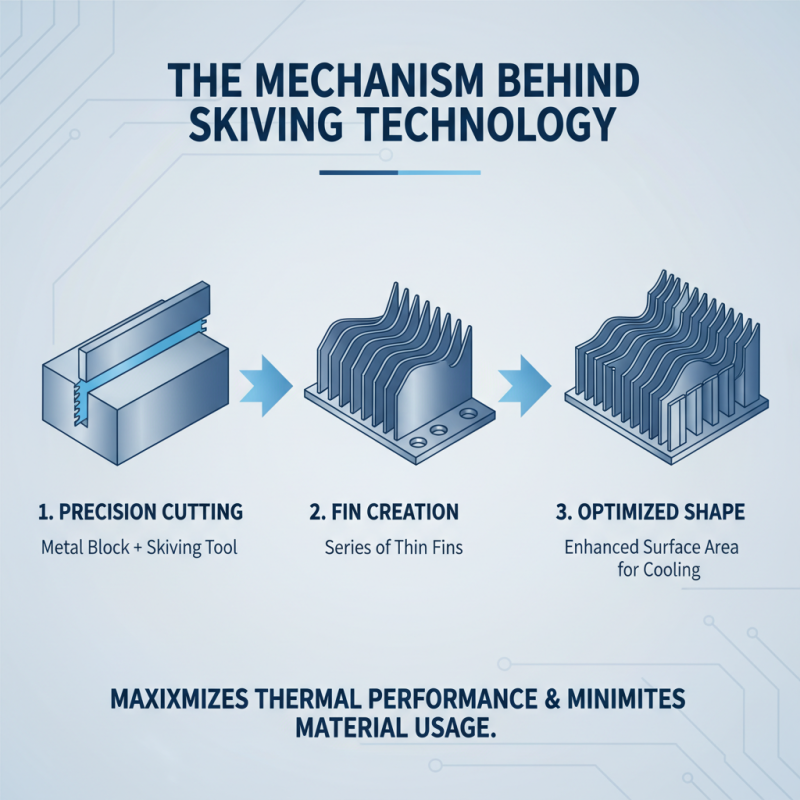
Skiving technology is a highly effective method for manufacturing heat sinks. It involves a precise cutting process that creates a series of fins, enhancing thermal performance. This technique allows for the creation of intricate and efficient shapes. These shapes maximize surface area while minimizing material usage.
The skiving process is remarkable for its efficiency. By removing material only where necessary, the end product remains lightweight yet robust. The fins produced by skiving provide excellent heat dissipation. This is crucial for applications that involve intense thermal management, like electronics or high-performance machinery.
However, not all applications may benefit from skiving. The tooling required can be expensive, and it may not suit every design. Some might find it challenging to incorporate skived heat sinks into existing systems. It's essential to evaluate your specific needs carefully. Balancing performance and cost is key to determining if skiving is the right choice.
Advantages of Skiving Heat Sinks Over Traditional Options
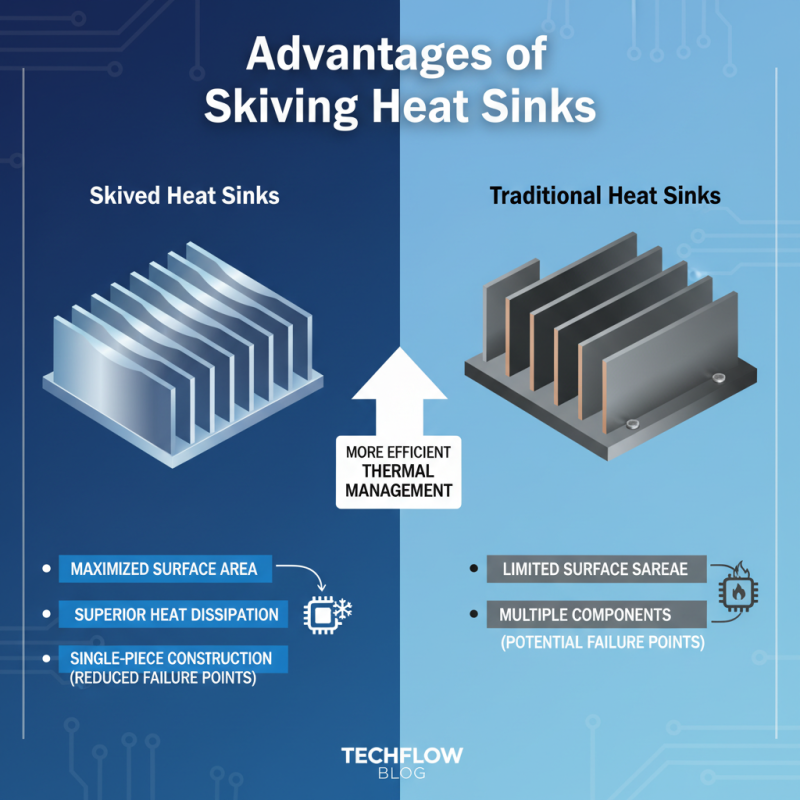
Skiving heat sinks are becoming the choice for efficient thermal management in various applications. Their design features elongated fins that maximize surface area, enabling superior heat dissipation. This aspect is crucial for electronic devices that generate significant heat. Unlike traditional heat sinks, skived designs eliminate the need for multiple components, reducing potential failure points.
One main advantage of skiving heat sinks is their lightweight construction. This attribute is particularly beneficial in portable devices or systems where every gram counts. The manufacturing process also allows more precise control over fin geometry, which can enhance cooling performance. Additionally, the seamless design minimizes thermal resistance and optimizes cooling efficiency.
However, skiving heat sinks are not without challenges. The manufacturing process can be complex and may require specialized equipment. Not all designs are suitable for skiving, leading to potential limitations. It's essential to consider whether this option aligns with specific thermal requirements and application contexts. While skiving offers numerous benefits, careful evaluation is necessary to ensure it meets your unique needs.
Applications of Skiving Heat Sinks in Various Industries
Skiving heat sinks have gained traction across various industries due to their efficiency in thermal management. Their design allows for a high surface area, which enhances heat dissipation. In the electronics sector, for example, skiving heat sinks are crucial for keeping components like CPUs and GPUs cool. This minimizes the risk of overheating and prolongs device lifespan.
In the automotive industry, these heat sinks play a critical role in keeping electric vehicles and advanced batteries at optimal operating temperatures. As efficiency demands rise, more manufacturers are turning to skiving technology. However, not all applications may benefit equally. Evaluating specific thermal requirements is important.
Tip for users: When selecting a skiving heat sink, consider both the material and the geometry. Thin fins can improve airflow, but may also compromise structural integrity. Always assess the installation environment and ensure that the design aligns with the thermal load requirements.
The aerospace sector also utilizes skiving heat sinks to manage the high heat generated by various components. While their benefits are clear, potential challenges can arise in extreme conditions. Users must be cautious about the environment where these heat sinks operate. Understanding how they react under different pressures is essential.
Factors to Consider When Choosing a Skiving Heat Sink
When it comes to selecting a skiving heat sink, several key factors come into play. Thermal conductivity is crucial; materials like copper and aluminum are popular for their excellent heat dissipation properties. According to a 2022 industry report, aluminum heat sinks can achieve thermal conductivities range from 80 to 200 W/m·K. Understanding the specific thermal requirements of your application will significantly enhance your product's efficiency.
Design geometry is another vital consideration. The skiving process allows for complex geometries that maximize surface area. These designs can significantly impact performance. A report published by the Thermal Management Society highlights how optimized designs can lead to a 30% increase in heat transfer efficiency. Nonetheless, complexity can also result in higher production costs and longer lead times, which organizations must carefully assess.
Lastly, fabrication tolerance must not be overlooked. The precision of skived fins directly relates to performance. A narrow tolerance can minimize thermal resistance, but achieving this level of precision can be challenging and expensive. Companies must weigh the benefits against potential production difficulties. Understanding these multifaceted considerations is essential in making an informed decision when choosing a skiving heat sink.
What is a Skiving Heat Sink and Why Choose It for Your Needs?
| Dimension |
Value |
Notes |
| Material |
Aluminum |
Lightweight and effective heat conductivity. |
| Fin Thickness |
0.5 mm |
Optimized for heat transfer. |
| Height |
50 mm |
Ideal for compact electronics. |
| Base Thickness |
3 mm |
Provides stability and durability. |
| Thermal Conductivity |
200 W/mK |
Efficient heat dispersion across the surface. |
| Application Areas |
LED, Power Electronics, CPU Cooling |
Widely used in modern cooling solutions. |



 Mr. Perry Wu International Sales Director