What is a Water Cooling Plate and How Does it Work?
A Water Cooling Plate is an essential component in cooling systems. It plays a critical role in dissipating heat from devices, particularly in high-performance settings. These plates are often used in computers, electronic devices, and machinery, where excessive heat can cause failure.
The Water Cooling Plate operates by circulating coolant through channels in the plate. This process absorbs heat and transfers it away from the source. However, the efficiency of this system can vary depending on design and materials used. It’s important to ensure that the plate is properly installed for optimal performance.
Despite their advantages, Water Cooling Plates can present challenges. Issues such as leaks or improper flow rates can diminish effectiveness. Users should regularly check for signs of wear or malfunction. Understanding how these plates work allows for better maintenance and improved cooling performance over time.
What is a Water Cooling Plate?
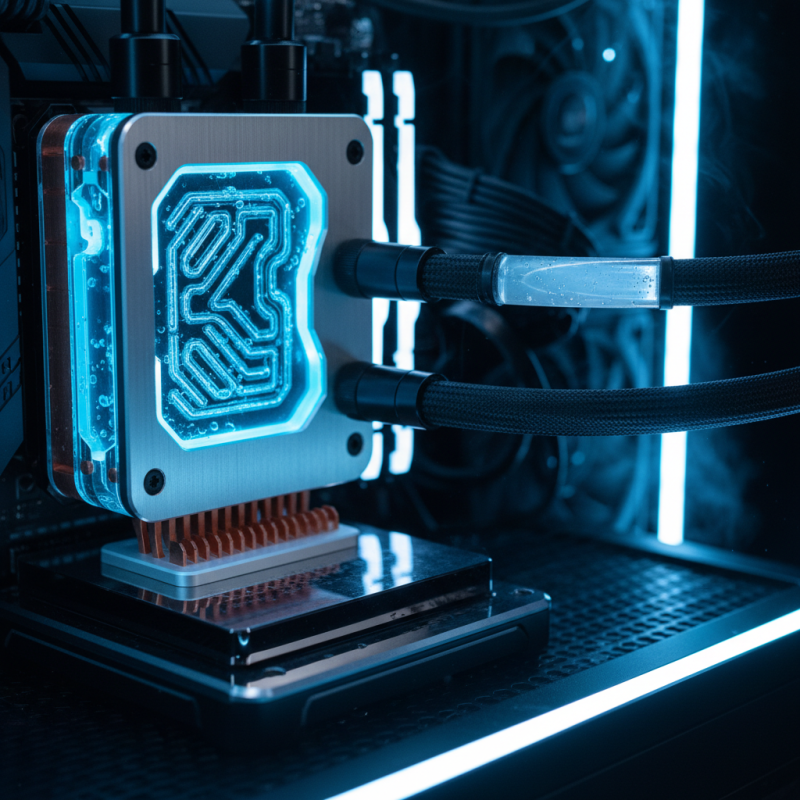
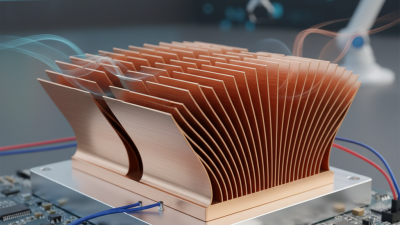
A water cooling plate is an essential component in cooling systems. It helps dissipate heat effectively from various devices or setups. This plate typically consists of a flat surface with channels. Water flows through these channels, absorbing heat efficiently. The design promotes optimal heat transfer, ensuring the critical components remain at safe temperatures.
When considering a water cooling plate, it’s crucial to assess the material. Copper and aluminum are common choices. Both have excellent thermal conductivity. However, each material has its advantages and disadvantages. Copper may be more effective but is heavier. Aluminum is lighter, which can affect installations.
**Tip**: Regularly check for leaks. Even a small leak can lead to significant problems.
Using a water cooling plate requires careful planning. It's not just about installation; it's about maintenance. Ensure the water pump is functioning properly. A weak pump can reduce cooling efficiency. Always consider noise levels too. This factor sometimes gets overlooked during setup.
**Tip**: Keep an eye on water quality. Impurities can clog channels over time. This issue may hinder performance.
Water Cooling Plate Efficiency Comparison
This bar chart illustrates the thermal conductivity of different materials used in water cooling plates. Higher values indicate better heat transfer capabilities, essential for efficient cooling in various applications.
Components of a Water Cooling Plate
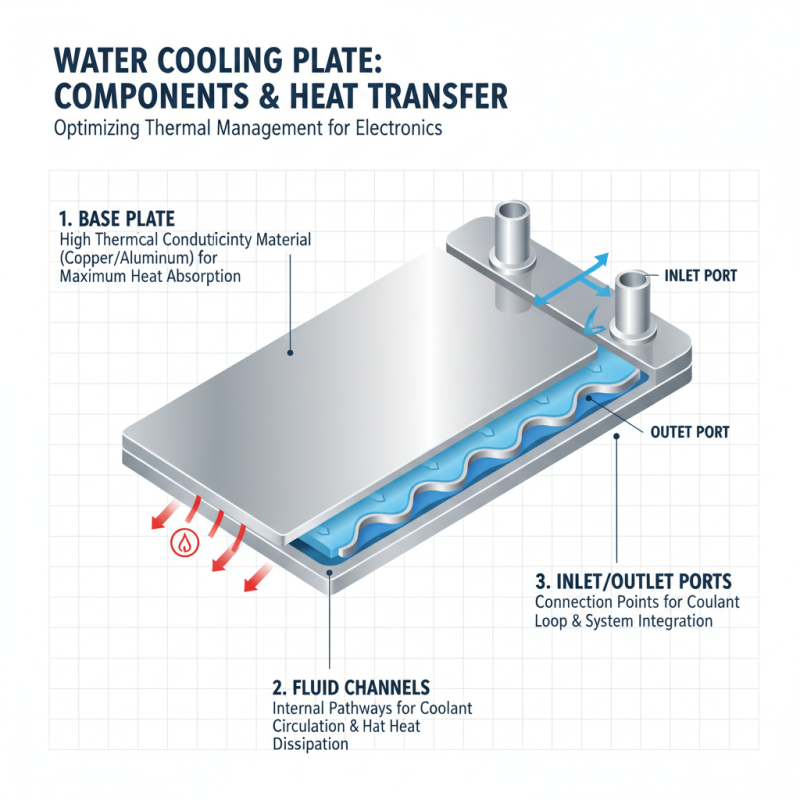
A water cooling plate is an integral component in many thermal management systems, primarily used in electronics cooling. The main parts of a water cooling plate include the base plate, fluid channels, and inlet/outlet ports. Each of these components plays a crucial role in optimizing heat transfer efficiency. The base plate is typically made from high thermal conductivity materials, often copper or aluminum, to maximize heat absorption.
Fluid channels are designed to facilitate the flow of coolant. They can vary in shape and configuration, impacting the overall performance. Studies indicate that optimizing channel design can improve flow rate by up to 20%. This results in reduced thermal resistance, essential for maintaining optimal component temperatures. Inlet and outlet ports connect the cooling plate to the broader cooling system. Proper positioning of these ports ensures consistent coolant flow.
Some challenges exist in the design process. For example, ensuring even coolant distribution can be difficult. If one area of the plate receives more flow, it could lead to hotspots. According to industry data, uneven cooling can reduce efficiency by as much as 15%. Therefore, careful consideration must be given to both design and material selection. Achieving the ideal balance is crucial for effective thermal performance.
How Water Cooling Plates Facilitate Heat Transfer
Water cooling plates are essential components in many thermal management systems. They facilitate efficient heat transfer by utilizing the conductive properties of metals combined with the cooling properties of water. When heat generating components, like processors, accumulate energy, water flowing through the cooling plate absorbs excess heat. This continuous cycle helps maintain optimal operating temperatures, crucial for performance and longevity.
Research indicates that effective heat dissipation can improve efficiency by up to 30%. A well-designed water cooling plate ensures even distribution of coolant, maximizing surface area contact. For instance, plates often include fins or channels that increase the flow of water, enhancing heat removal rates. In environments where high thermal loads exist, this design is vital.
Tip: Regular maintenance of your cooling system can prevent blockages and ensure optimal performance. Check for sediment buildup in the cooling lines.
However, there can be challenges. If the water flow is insufficient, overheating may still occur. Also, if the cooling plate is not properly sized, you might face issues with heat hotspots. Monitoring your system can help identify these problems early.
Tip: Use temperature sensors to keep an eye on critical areas. This proactive approach can save costly repairs in the future.
Applications of Water Cooling Plates in Technology
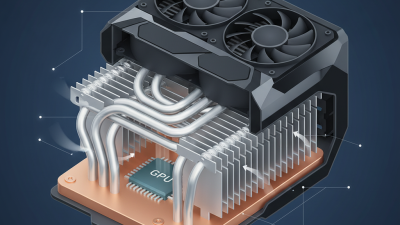
Water cooling plates are crucial in various technological applications, particularly in the fields of electronics and renewable energy. These plates help regulate temperatures in devices like CPUs and GPUs. They mitigate overheating effectively, ensuring systems operate optimally. Many industries utilize them due to their efficiency, but they do present challenges.
In electric vehicles, water cooling plates enhance battery life and efficiency by reducing heat. However, improper installation can lead to leaks. Such leaks may damage sensitive components, leading to costly repairs. Engineers often need to test different designs to optimize heat transfer capability while ensuring safety.
In data centers, water cooling plates are increasingly common. They help maintain temperatures for server farms, supporting efficient data processing. Despite advantages, they require meticulous monitoring to prevent failures. Each installation must be carefully calibrated, as one mistake could disrupt operations. While water cooling plates offer many benefits, careful design and maintenance are crucial for success.
Advantages of Using Water Cooling Plates Over Traditional Cooling Methods
Water cooling plates are becoming popular in various cooling applications, especially in electronics. They provide efficient heat dissipation compared to traditional air cooling methods. In fact, studies show that water cooling systems can achieve up to 40% better thermal efficiency. This is vital for maintaining optimal performance and longevity in high-powered devices.
One significant advantage of water cooling plates is their compact design. They require less space and can be easily integrated into existing systems. Traditional cooling methods often use bulky fans and radiators. These can be noisy and less efficient at dispersing heat. In contrast, water cooling plates operate quietly and can offer more consistent cooling.
Another benefit is their ability to handle larger heat loads. Data indicates that water-cooling solutions can manage heat outputs exceeding 500 watts per square inch. This is crucial for industries like data centers where high-performance computing generates substantial heat. However, the initial setup costs can be a concern. Not all setups are straightforward, and maintenance requires attention. It’s essential to weigh the benefits against these challenges.



 Mr. Perry Wu International Sales Director