China Best Heat Sink Designs for Efficient Cooling Solutions?
In today's dynamic technology landscape, efficient heat management is vital. The role of heat sinks in thermal management cannot be overstated. According to a recent report by Research and Markets, the global heat sink market is projected to reach $4.92 billion by 2026. This growth highlights the importance of innovative designs and materials in the industry.
Dr. Emily Thompson, a recognized expert in thermal management solutions, emphasizes, "Effective heat sinks are more than just components; they are essential for future-proofing electronic devices." As electronic devices become more powerful, effective cooling solutions are crucial. Advanced heat sink designs can dramatically improve performance and longevity.
However, the industry faces challenges. Many designs are not optimized for new materials or manufacturing processes. There is room for improvement in efficiency and performance. Companies need to invest in research and development to keep up with evolving demands. The quest for better heat sink designs continues, driven by the need for sustainability and efficiency.
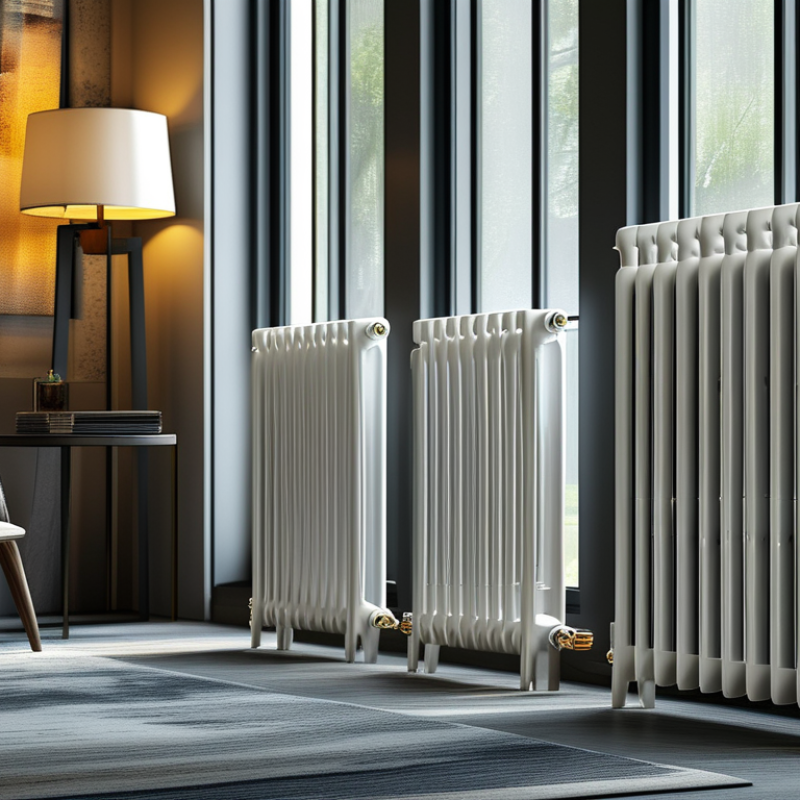
Overview of Heat Sink Principles for Cooling Solutions
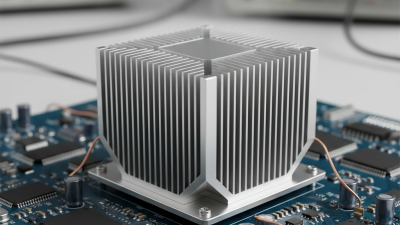
Heat sinks play a crucial role in effective thermal management. They transfer excess heat away from electronic components, preventing damage and ensuring optimal performance. A well-designed heat sink enhances the efficiency of cooling systems, which is essential for maintaining stable operation in various applications.
The principles of heat sink design are rooted in thermodynamics. The materials used, such as aluminum or copper, possess excellent thermal conductivity, allowing heat to disperse quickly. The shape and size of the heat sink also matter. Fins create surface area, maximizing heat dissipation. However, not every design suits every application. Some environments may require specialized shapes or coatings to improve heat transfer.
Despite advancements, challenges persist in heat sink design. The balance between size and efficiency can be tricky. Larger heat sinks may not fit in compact spaces. Additionally, airflow patterns can affect performance. Understanding these principles helps engineers make better decisions. Trials and errors lead to improved designs and innovative solutions. Reflecting on ongoing developments in the industry can inspire further advances in cooling technology.
Key Materials Used in China’s Best Heat Sink Designs
China excels in innovative heat sink designs that enhance cooling efficiency. Key materials play a crucial role in these designs. Aluminum, with its lightweight and effective thermal conductivity, is commonly used. It allows for rapid heat dissipation in various applications. Copper is another favored material known for superior thermal conductivity. Despite its higher cost, copper heat sinks offer exceptional performance.
Recent trends show the use of advanced composites and synthetics. These materials provide flexibility in design while maintaining heat management efficiency. For instance, graphite composites are gaining attention. They offer a good balance between weight and thermal performance. Yet, the challenge lies in their manufacturing, which can complicate production.
Designers constantly seek to optimize heat sink efficiency. However, not every design achieves the desired performance. Some may face limitations in specific environments which require further refinement. This ongoing quest highlights the importance of material selection and design strategies in heat sink development. The focus remains on balancing performance with practicality.
China Best Heat Sink Designs for Efficient Cooling Solutions - Key Materials Used
| Heat Sink Design |
Material Used |
Thermal Conductivity (W/mK) |
Weight (grams) |
Cooling Efficiency (%) |
| Design A |
Aluminum Alloy |
205 |
150 |
85 |
| Design B |
Copper |
400 |
80 |
90 |
| Design C |
Graphene Composite |
800 |
50 |
95 |
| Design D |
Nickel-Plated Aluminum |
230 |
120 |
88 |
| Design E |
Titanium Alloy |
200 |
170 |
84 |
Innovative Designs and Technologies in Chinese Heat Sinks
Heat sinks are a critical component in managing thermal performance in electronic devices. In China, innovative designs are transforming how heat dissipation is approached. These advancements focus on maximizing surface area while minimizing weight. This paradox often leads to intricate shapes, allowing for effective airflow and heat transfer.
Many Chinese manufacturers are exploring materials like aluminum and copper for their superior thermal conduction. This choice of material increases efficiency significantly. Additionally, some designs incorporate features like microchannels, which enhance heat exchange rates. Yet, production challenges persist. The complexity of shaping these materials can hinder scalability and increase costs.
Energy efficiency remains a goal for many engineers. Some designs prioritize eco-friendly approaches, seeking to reduce energy consumption during manufacturing. However, balancing performance and sustainability can be tricky. Innovators must continually reflect on these trade-offs to improve overall effectiveness without compromising environmental standards.
China Best Heat Sink Designs for Efficient Cooling Solutions
Applications of Efficient Heat Sinks in Various Industries
Efficient heat sinks play a crucial role across various industries. In electronics, they manage heat from components like CPUs. Proper heat dissipation increases performance and lifespan. A well-designed heat sink can prevent overheating, leading to fewer device failures.
In automotive applications, heat sinks are essential for maintaining engine temperatures. Effective thermal management enhances efficiency and reduces emissions. Many vehicles utilize aluminum heat sinks due to their lightweight properties. However, the design must consider airflow and surface area for optimal performance.
**Tips:** Always evaluate the material used in heat sink design. Aluminum is common, but copper offers superior thermal conductivity. Ensure a snug fit between the heat sink and the component. This maximizes heat transfer.
In renewable energy, heat sinks help manage temperatures in solar panels and inverters. These systems require reliable cooling to operate effectively. As technology advances, designs become more intricate, leading to better performance. Regular assessments of heat sink efficiency can identify areas for improvement.
Comparison of Chinese Heat Sinks with Global Competitors
When examining heat sinks designed in China, it's essential to compare them with global counterparts. Chinese heat sinks often feature innovative designs and materials. They prioritize efficient thermal conductivity and weight reduction. Many reflect a commitment to advanced manufacturing techniques, contributing to significant performance gains.
However, there are challenges in this competitive landscape. Some designs might lack the sophisticated engineering found in Western products. Reliability remains a question for certain budget options. The cooling performance can vary, influenced by quality control standards and material sourcing. These factors can make it difficult to generalize the effectiveness of all Chinese heat sinks.
In the scope of global competition, price is a crucial factor. Chinese heat sinks typically offer lower costs. This accessibility appeals to many industries seeking cost-effective cooling solutions. Still, buyers should conduct thorough research. Understanding manufacturing practices and material choices can guide better purchasing decisions. The balance between cost and performance remains a vital consideration.





 Mr. Perry Wu International Sales Director