Why Choose Heat Pipes for Efficient Thermal Management?
In today's technology-driven world, effective thermal management is crucial. Heat pipes have emerged as an innovative solution for cooling systems. They transfer heat efficiently through a simple yet effective mechanism. This technology relies on phase change and capillary action. As a result, heat pipes can manage temperature in various applications, from electronics to satellites.
The reliability of heat pipes makes them highly sought after. They provide consistent performance, even in extreme conditions. Many industries have adopted this technology to enhance their products' lifespan. Engineers appreciate the compact design and lightweight nature of heat pipes. This efficiency often leads to cost savings in manufacturing and energy use.
However, the use of heat pipes is not without its challenges. Proper integration is essential to avoid potential failures. While heat pipes excel in many scenarios, improper handling can lead to issues. Understanding these nuances is vital for professionals. It's important to continually reflect on how to optimize heat pipe implementation.
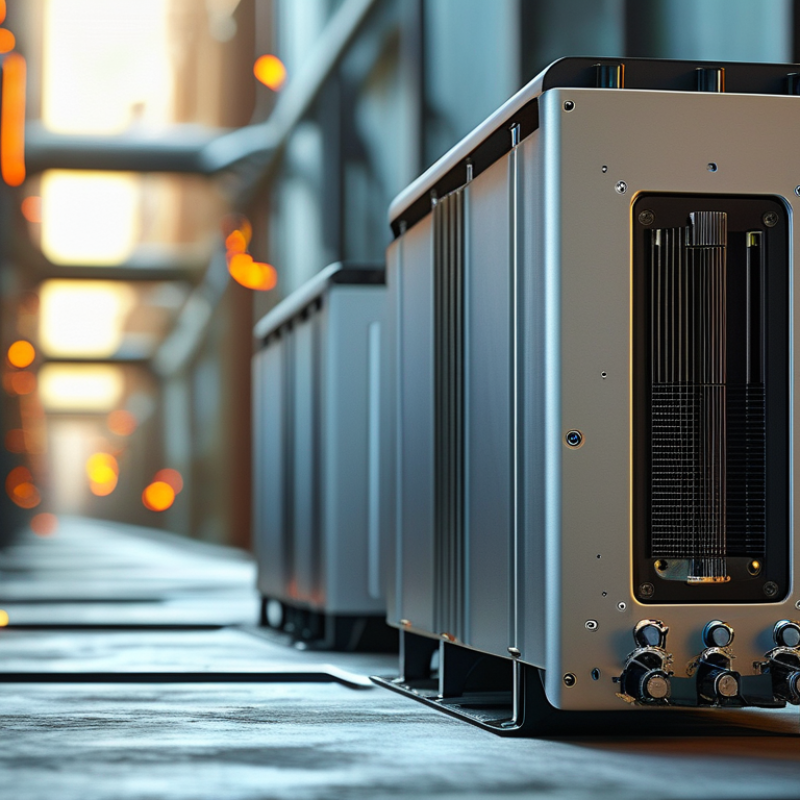
Understanding the Basics of Heat Pipes in Thermal Management
Heat pipes are crucial for effective thermal management in various applications. These devices transfer heat efficiently using phase change principles. Typically, they consist of a sealed container with a working fluid. When one end heats up, the fluid vaporizes and travels to the cooler end. At the cooler end, it condenses back into liquid, releasing the heat. This simple yet effective mechanism allows for rapid heat transfer and temperature regulation.
Tip: Always consider the orientation of the heat pipe. Performance can vary based on its alignment. Horizontal positioning generally works better for specific applications.
Furthermore, heat pipes offer a lightweight solution. Unlike traditional cooling methods, they minimize bulk while maximizing efficiency. This is particularly beneficial in compact electronic devices. The efficiency of heat pipes also means less energy consumption, which can be a sore point for various designs.
Tip: Regular testing can help identify inefficiencies. If a heat pipe fails, thermal performance drops significantly. Check for signs of wear or failure to maintain reliability.
Understanding these basics can guide proper implementation. Even with their advantages, it's essential to evaluate their limitations. Overlooking the specific requirements can lead to suboptimal performance.
The Science Behind Heat Transfer in Heat Pipes
Heat pipes are fascinating devices used for efficient thermal management. They excel at heat transfer, significantly outpacing traditional methods. This efficiency arises from their unique design that leverages phase changes of fluids. When heat is applied, the liquid inside the heat pipe evaporates, absorbing large amounts of energy. It then condenses elsewhere, releasing that energy where it's needed.
The science of heat transfer in heat pipes involves a balance of liquid and vapor phases. As the liquid turns to vapor, it creates pressure that drives the vapor to cooler sections. The vapor then condenses back into liquid form, releasing heat in the process. This cycle repeats continuously, providing effective thermal regulation. Each heat pipe design differs slightly, but they all rely on this fundamental principle.
However, heat pipes are not without limitations. Their performance can be affected by the orientation and working fluid. In some cases, a poor choice of fluid may lead to inefficient heat transfer. Factors like evaporator size and thermal conductivity also play crucial roles. Understanding these aspects is vital for optimizing their use in various applications.
Advantages of Using Heat Pipes for Efficient Cooling Solutions
Heat pipes are becoming increasingly popular for thermal management solutions across many industries. These devices utilize phase change principles to transfer heat effectively. According to a recent report from the International Journal of Thermal Sciences, heat pipes can achieve thermal conductivities that exceed typical metals by 1,000 times. This significant advantage makes them ideal for applications requiring efficient cooling.
One major benefit of heat pipes is their versatility. They can be designed in various shapes and sizes, accommodating different space constraints. Their ability to operate in diverse orientations is another key advantage, allowing them to be integrated into compact designs. Studies show that systems utilizing heat pipes can reduce overall thermal resistance, leading to more efficient thermal management. This efficiency can result in lower operational costs and prolonged equipment lifespan.
Tips: Regularly inspect your heat pipe systems. Dust or other debris can hinder performance and heat transfer. Ensuring clean surfaces can maximize efficiency.
Another critical factor is the reliability of heat pipes. Their simplicity leads to fewer points of failure compared to traditional cooling systems. A report by the American Society of Heating, Refrigerating and Air-Conditioning Engineers states that heat pipes can operate effectively without moving parts, enhancing their durability. However, one must consider temperature limits and the working fluid's properties to avoid reduced efficiency in extreme conditions. Addressing these potential shortcomings ensures optimal performance.
Applications of Heat Pipes Across Various Industries
Heat pipes are becoming a vital component in various industries due to their efficient thermal management capabilities. In the electronics sector, they are often employed in devices like laptops and smartphones. Reports indicate that heat pipes can enhance the thermal performance of electronic devices by up to 50%. This improvement helps prevent overheating and prolongs device lifespan.
In the renewable energy industry, heat pipes play a crucial role in solar thermal systems. They can achieve a thermal efficiency of over 90%, significantly boosting energy output. This technology is essential for harnessing solar energy effectively. The aerospace sector also benefits from heat pipes, especially in satellites, where maintaining optimal temperatures is critical. Research indicates that heat pipes contribute to weight savings and reliability in extreme environments.
However, not all applications have seen flawless performance. In some cases, limitations arise in design and material selection, leading to variable efficiency. It is vital for engineers to consider these factors when integrating heat pipes. Continued research can lead to improved designs, addressing current shortcomings and enhancing performance in diverse applications. Without addressing these issues, the full potential of heat pipes might remain unrealized in the market.
Applications of Heat Pipes Across Various Industries
Comparing Heat Pipes with Other Cooling Technologies
Heat pipes stand out in the world of thermal management technologies. They offer unique benefits that other cooling methods often struggle to match. For example, they can transfer heat over considerable distances with remarkable efficiency. This efficiency is crucial in applications ranging from electronics cooling to space exploration.
When comparing heat pipes to traditional cooling techniques like fans and radiators, differences become clear. Fans rely on air circulation, which is less effective in confined spaces. Radiators demand more space and require additional components to work efficiently. Heat pipes, on the other hand, utilize phase change to move heat, allowing for compact designs that fit into various applications.
Despite their advantages, heat pipes are not without flaws. They can be sensitive to orientation, impacting performance. Additionally, designing a system to integrate heat pipes can require specialized knowledge. Each project must be carefully assessed to see if heat pipes are truly the best solution based on thermal loads and spatial constraints. This thoughtful evaluation ensures optimal performance and reliability in any thermal management system.




 Mr. Perry Wu International Sales Director