Top Heat Transfer Pipe Tips for Global Buyers?
Heat Transfer Pipes play a crucial role in various industries, facilitating efficient thermal management. For global buyers, understanding the nuances associated with these pipes is essential. This guide offers practical tips to navigate the complexities of heat transfer technology.
As industries evolve, so do the specifications and configurations of Heat Transfer Pipes. Buyers must consider material selection, pipe design, and thermal efficiency. These factors can significantly impact performance. A thoughtful approach to sourcing can save time and money.
Engaging with reliable suppliers is paramount. Conducting thorough research on their offerings ensures quality and compliance. However, there remain challenges. Not every supplier may meet the expected standards. Always seek expert opinions to avoid scaling problems. In the world of Heat Transfer Pipes, informed choices pave the way for success.
Top Heat Transfer Pipe Materials: A Comparative Analysis for Buyers
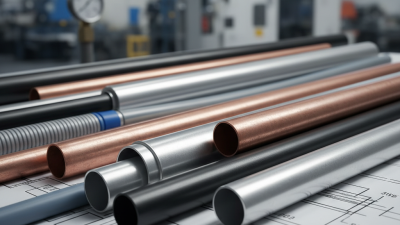
When choosing heat transfer pipes, material selection plays a vital role. Common materials include copper, aluminum, and stainless steel. Each has unique properties that influence efficiency and longevity. Copper is known for its excellent thermal conductivity but may not always be the best choice for corrosive environments.
Aluminum, on the other hand, is lightweight and resistant to corrosion. It offers good conductivity but requires careful handling due to its soft nature. Stainless steel stands out for its durability and resistance to high temperatures, making it ideal for harsh conditions. However, its cost may deter some buyers.
Buyers should reflect on their specific needs. Balancing cost, performance, and environmental factors is crucial. Conducting thorough research and consulting industry experts can provide clarity. Each material has strengths and weaknesses that must align with project requirements. Understanding these nuances will ensure more informed purchasing decisions.
Understanding Heat Transfer Efficiency: Key Factors and Ratings Explained
When considering heat transfer efficiency, several key factors come into play. The material of the pipe significantly impacts its thermal conductivity. Metals like copper and aluminum often provide better performance. However, cost and weight are crucial considerations in choosing these materials. Some non-metal options, while less efficient, may offer weight savings and corrosion resistance.
Another important aspect is the design of the pipe. Diameter and length can affect flow rates and heat loss. Larger diameters may allow for higher flow but can also result in increased heat loss through the surface. Insulation is essential to mitigate this issue. Quality insulation can improve overall efficiency, but finding the right balance is challenging.
Additionally, the application context is key. Different industries demand specific requirements, which may not align with general standards. Understanding the operating temperature and pressure is vital for optimal performance. Buyers often overlook these critical ratings, resulting in subpar choices. Awareness of these factors can lead to better purchasing decisions, yet many still struggle to interpret the data effectively.
Global Market Trends in Heat Transfer Pipes: Supply Chain Insights
The global market for heat transfer pipes is evolving rapidly. Insights from industry reports indicate a compound annual growth rate (CAGR) of 5.4% from 2020 to 2027. This growth is mainly driven by the rising demand for effective thermal management in various applications.
Supply chain challenges also play a critical role in this market. For instance, disruptions during the COVID-19 pandemic revealed vulnerabilities. Manufacturers faced delays in raw material availability, impacting production timelines. Data suggests that 45% of companies encountered significant supply chain disruptions during peak pandemic months. This issue emphasizes the need for better risk management in sourcing and logistics.
Demand and supply dynamics are shifting, particularly in emerging economies. Increased industrial activity and investment in renewable energy boost the heat transfer pipe market. However, sourcing reliable materials remains a challenge in certain regions. Companies often struggle with inconsistent quality and fluctuating prices. Thus, buyers should prioritize suppliers with a proven track record and robust quality assurance processes.
Regulatory Standards for Heat Transfer Pipes: Navigating Compliance Globally
Navigating regulatory standards for heat transfer pipes is crucial for global buyers. Each country has its unique set of requirements. Familiarity with these standards can ensure compliance and safety. For instance, regulations may differ based on material type, usage, and installation methods. It is vital to thoroughly research the specific guidelines pertinent to your destination market.
Certification plays a key role in this process. Many regions require certifications that attest to the safety and performance of heat transfer pipes. Buyers must ensure that the suppliers possess valid certifications. This can sometimes be a tedious task, as not all suppliers may be transparent in their documentation. Buyers should be prepared to ask questions and possible follow-up requests, further ensuring the reliability of their purchases.
Staying updated on changes in regulatory standards can be challenging. Industries are rapidly evolving, and so are the regulations. Buyers may find it beneficial to engage with industry experts and attend relevant trade shows. This way, they can gain insights directly related to their interests. However, navigating regulatory compliance is not just about meeting standards; it also involves understanding the implications of non-compliance, which can be significant.
Cost-Effectiveness in Heat Transfer Solutions: Budgeting for Quality and Performance
When considering heat transfer solutions, budgeting is crucial. Cost-effectiveness is not just about low prices; it involves quality and performance. Buyers should weigh the long-term benefits of investing in reliable heat transfer pipes. Cheaper options may lead to higher maintenance costs. This trade-off can strain budgets over time.
Selecting the right materials is essential. Consider the thermal conductivity and durability of the pipes. Investing in superior materials often translates to increased efficiency. However, not all buyers prioritize this aspect. Some might overlook the benefits of quality and focus only on upfront costs. This mindset can lead to challenges in performance and unexpected expenses.
Furthermore, understanding market trends and technological advancements helps buyers make informed decisions. Awareness of industry standards is vital. It can reflect on a company’s credibility. Sellers must exhibit transparency in their offerings. Buyers should seek clarity on product specifications and warranties. This helps build trust and ultimately leads to better choices.









 Mr. Perry Wu International Sales Director