Top Tips for Choosing the Best Copper CPU Heatsink?
When it comes to building or upgrading a PC, one crucial component often overlooked is the Copper CPU heatsink. This essential part plays a vital role in maintaining optimal operating temperatures, ensuring your CPU runs efficiently. A good heatsink not only extends the CPU's lifespan but also improves overall performance. However, choosing the right Copper CPU heatsink can be overwhelming, given the many options available on the market.
Factors such as thermal conductivity, design, and compatibility with your CPU socket can influence your choice. Not all Copper CPU heatsinks are created equal; some offer better cooling performance than others. It's important to carefully assess your cooling needs based on your usage. Enthusiasts may want a more robust solution, while casual users might prioritize price over performance.
Ultimately, making an informed decision requires balancing your budget with your cooling requirements. Investing time in research can yield significant benefits. Don't rush this process. Reflect on your specific objectives, whether it's quiet operation, aggressive cooling, or aesthetic appeal. Clarifying your priorities will guide you to the best Copper CPU heatsink for your build.
Understanding Copper CPU Heatsink Basics
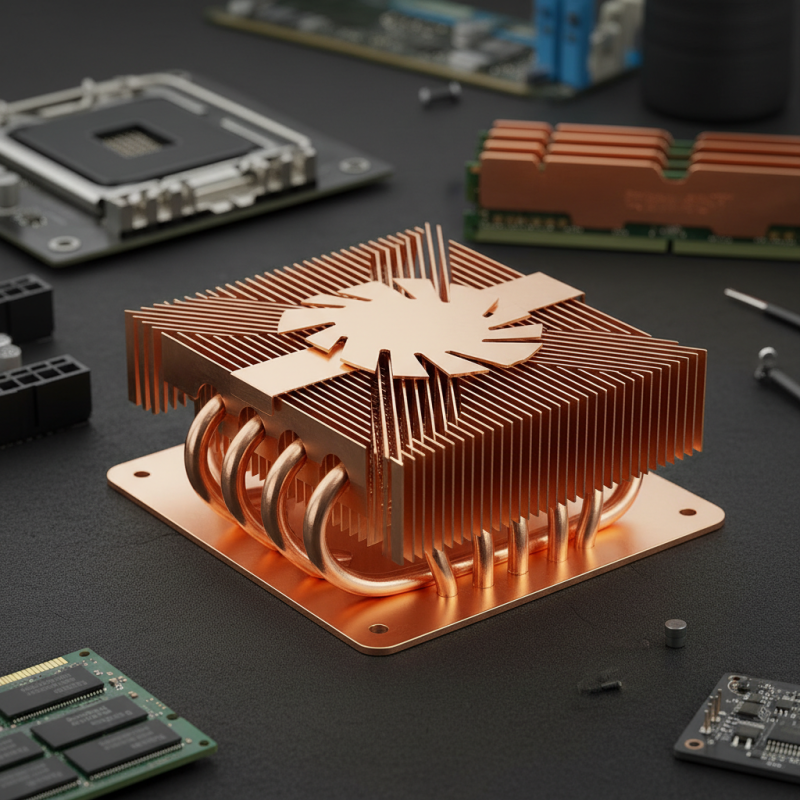
When choosing a copper CPU heatsink, it's essential to understand its key features. Copper is known for its excellent thermal conductivity. This property allows heat to dissipate efficiently, keeping your CPU cool during demanding tasks. A well-designed heatsink can significantly improve system stability and performance.
Heat dissipation is not solely about material. The design also plays a crucial role. Fins and surface area matter. More fins can increase airflow, enhancing cooling power. However, an overly complex design can hinder installation. Finding a balance is essential.
Pay attention to weight as well. A heavier heatsink usually indicates more copper, but it can affect the motherboard. Ensure your setup can support it. Cooling performance isn't only about effectiveness; it should fit your system's compatibility and aesthetics. Each choice impacts overall performance. Reflect on the specific needs of your CPU and your preferred workload.
Key Factors Influencing Heatsink Performance
Choosing the right copper CPU heatsink can significantly influence your system's cooling efficiency. The performance of a heatsink is determined by various key factors. One major consideration is thermal conductivity. Copper is known for its excellent heat dissipation abilities, making it a preferred choice for high-performance CPUs.
Another critical factor is the surface area of the heatsink. A larger surface area allows for more efficient heat transfer. Heatsinks with fins or intricate designs offer better airflow. This airflow enhances cooling capabilities. Consider the compatibility with your CPU socket as well. Each socket type may require a specific heatsink design.
When selecting a heatsink, pay attention to installation. Some designs are easier to mount than others. Make sure you have access to the right tools. A poorly installed heatsink may lead to inefficient cooling. Check user reviews to ensure reliable performance. Sometimes, even a well-reviewed heatsink can fail due to user error. Examining experiences from others can prevent costly mistakes.
Comparing Copper Heatsinks to Other Materials
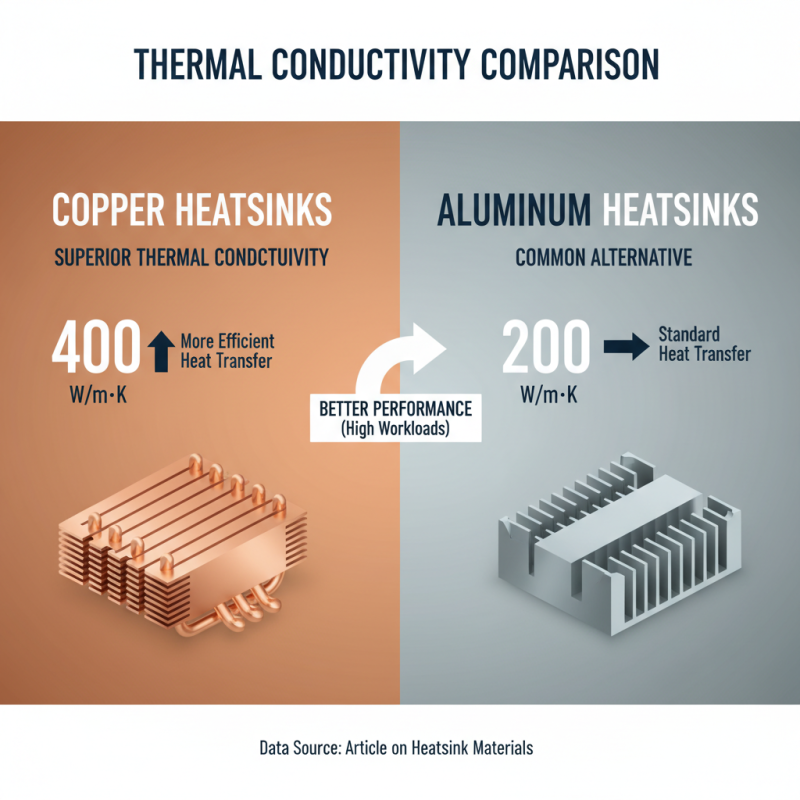
When comparing copper heatsinks to other materials, copper stands out due to its superior thermal conductivity. Copper has a thermal conductivity of around 400 W/m·K, significantly higher than aluminum, which averages 200 W/m·K. This means copper can transfer heat away from the CPU more efficiently, potentially leading to better performance during high workloads.
However, weight is a consideration. Copper heatsinks are denser and heavier than those made from aluminum. This can impact builds where weight is critical, like in compact systems or portable devices. Additionally, the cost of copper heatsinks can be higher, raising the overall expense of the system. A report from the International Thermal Conductivity Conference noted that while copper heatsinks demonstrate excellent performance, user preferences often lean toward lighter and more cost-effective options.
Durability is another aspect to consider. Copper is prone to oxidation, which can affect performance over time. An ongoing debate in the industry emphasizes the need for protective coatings on copper to maintain efficiency. Many users may overlook these details, focusing solely on initial performance rather than long-term reliability. Understanding these nuances is crucial when choosing the best heatsink for a CPU system.
Essential Features to Look for in a Copper Heatsink
When selecting a copper CPU heatsink, several essential features must be considered to ensure optimal performance. First, look for the heatsink’s thermal conductivity. Copper is known for its excellent heat transfer properties, which are crucial for keeping your CPU cool. Ensure the heatsink has a high thermal conductivity rating, ideally above 300 W/m·K. This will help in efficiently dissipating the heat produced by the CPU during intense tasks.
Another important feature is the heatsink's size and compatibility. Measure your CPU socket specifications first. A heatsink that’s too big may not fit in your case, while one that’s too small may not provide adequate cooling. Consider the weight as well; heavier copper heatsinks might require a stronger mounting mechanism. The fan speed is another aspect worth checking. A fan with adjustable RPM can balance noise and cooling efficiency effectively.
Lastly, think about the design of the heatsink fins. More fins can increase surface area, aiding in heat dissipation. However, ensure they are spaced appropriately to allow for effective airflow. While aesthetics may not be the premier focus, a visually appealing design can enhance the overall look of your setup. Balancing these features will lead to better CPU performance, although it may require some trial and error to find what works best for your needs.
Top Tips for Choosing the Best Copper CPU Heatsink
| Feature |
Importance |
Recommended Value |
| Material Quality |
High thermal conductivity enhances cooling |
99.9% pure copper |
| Fin Design |
Increases surface area for better airflow |
Multiple low-profile fins |
| Heat Pipe Efficiency |
Improves heat transfer from the CPU to the heatsink |
4-6 heat pipes |
| Compatibility |
Ensures it fits your CPU socket type |
LGA/AM4 compatibility |
| Size and Weight |
Affects case compatibility and ease of installation |
Moderate size for standard cases |
| Cooling Performance |
Determines CPU operating temperature |
Effective cooling below 70°C |
| Noise Level |
Affects overall system noise |
Under 30 dB |
Installation Tips for Optimal Cooling Efficiency
When installing a copper CPU heatsink, proper techniques can significantly enhance cooling efficiency. Ensure the surface of the CPU is clean before applying thermal paste. A thin, even layer is key. Too much paste can hinder performance, leading to overheating issues. Less is often more in this case.
Be mindful of the mounting method. Align the heatsink precisely over the CPU. Misalignment can cause uneven pressure, which affects heat dissipation. A solid connection between the heatsink and CPU ensures optimal heat transfer. Remember, proper torque on mounting clips is essential. Use a moderate force; overtightening can damage components.
Temperature monitoring post-installation is crucial. Use hardware monitoring software to check if temperatures are within safe ranges. If they drop suddenly or rise higher, reevaluate your installation process. Cooling solutions may require adjustments over time. Always be ready to reassess your setup for better performance.
Cooling Efficiency of Different Copper CPU Heatsinks







 Mr. Perry Wu International Sales Director