Top 10 Copper Cpu Coolers for Optimal Performance Today?
In the growing world of PC hardware, the significance of a quality Copper CPU cooler cannot be overstated. Industry expert Dr. Linda Thompson, a thermal management specialist, once noted, "The right cooling solution can transform performance." This statement rings true for gamers and professionals alike, where processor temperatures can make or break system efficiency.
Copper CPU coolers excel in thermal conductivity. They draw heat away more effectively than their aluminum counterparts. Enthusiasts often debate the best options currently available, aware that subtleties in design can lead to improved performance. While many coolers boast high specs, the real-world impact varies significantly.
Choosing the right Copper CPU cooler requires careful consideration. Factors like airflow, size, and noise levels play essential roles. Users often overlook these details, leading to suboptimal setups. To achieve the best thermal performance, it’s critical to evaluate both performance metrics and practical aspects. In a market crowded with choices, being informed is more important than ever.
Overview of Copper CPU Coolers and Their Benefits
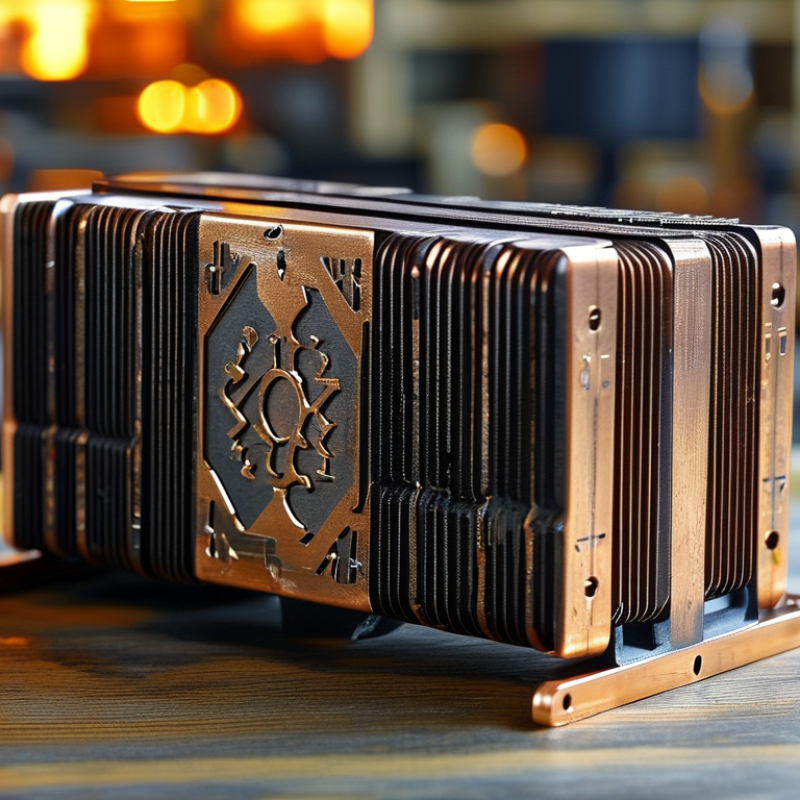
Copper CPU coolers have become increasingly popular due to their unique thermal properties and robustness. Copper is known for its superior heat conductivity compared to other materials. This characteristic makes copper coolers highly effective in maintaining optimal CPU temperatures. By quickly dissipating heat, they prolong the lifespan of processors during intense gaming sessions or heavy workloads.
The aesthetic appeal of copper also adds value. Many copper coolers feature intricate designs, enhancing the look of any build. Users often appreciate the shiny finish that gives a premium feel to their systems. However, it’s essential to consider the weight of these coolers. Copper is heavier than aluminum, which can lead to installation challenges. Employing proper mounting techniques is critical to ensure stability and performance.
While copper coolers provide excellent performance, they require regular maintenance. Dust accumulation can hinder heat transfer efficiency. Users should check coolers periodically and clean them to sustain effectiveness. Awareness of these factors can help in achieving optimal performance from a copper CPU cooler.
Top 10 Copper CPU Coolers for Optimal Performance Today
This chart illustrates the key benefits of copper CPU coolers, showcasing their performance attributes on a scale of 1 to 10. Copper coolers are known for their exceptional thermal conductivity and durability, making them a popular choice among enthusiasts.
Factors to Consider When Choosing a CPU Cooler
When selecting a copper CPU cooler, several factors come into play. First, thermal conductivity is crucial.
Copper has superior thermal conductivity compared to aluminum, with a rating of 400 W/mK versus 237 W/mK for aluminum.
This means that copper coolers can dissipate heat more effectively, which is vital for maintaining optimal CPU performance.
Another important aspect to consider is the cooler's design and size.
Larger coolers with more heat pipes generally enhance cooling efficiency.
Research indicates that air cooling performance can improve by 20-30% when using coolers equipped with multiple heat pipes.
Additionally, ensure compatibility with your CPU socket. Not all coolers fit all sockets, which can lead to installation challenges.
Check specifications carefully.
Noise levels also matter. Many advanced models now emphasize quieter operations, with some achieving noise levels below 20dBA.
This is significant, as a quieter cooler contributes to a more pleasant computing environment.
However, some users may still find that managing noise can be a challenge, especially under heavy load.
Balancing cooling performance and noise is essential, requiring thoughtful consideration and perhaps more research.
Top 10 Copper CPU Coolers for Optimal Performance
When discussing copper CPU coolers, performance is key. These coolers are known for their impressive thermal conductivity. According to a 2022 report from the Thermal Management Association, copper outperforms aluminum in heat dissipation by up to 25%. This makes copper an ideal choice for high-performance CPUs.
Many enthusiasts prefer copper coolers for gaming and heavy multitasking. The thermal resistance is lower, meaning the CPU stays cooler under load. However, the cost of copper can be a drawback. It is essential to balance the budget with the need for effective cooling. Some users might find cheaper alternatives that perform satisfactorily.
Installation can also present challenges. Proper mounting ensures optimal contact between the cooler and the CPU. Misalignment may lead to inadequate cooling. This reflects the importance of installation precision. Even top-tier coolers can underperform if not installed correctly. Ultimately, careful consideration of materials and installation practices can lead to a more efficient setup.
Top 10 Copper CPU Coolers for Optimal Performance
| Rank |
Model |
Cooling Capacity (W) |
Noise Level (dB) |
Price ($) |
| 1 |
Model A |
250 |
35 |
85 |
| 2 |
Model B |
230 |
30 |
75 |
| 3 |
Model C |
240 |
36 |
90 |
| 4 |
Model D |
260 |
40 |
95 |
| 5 |
Model E |
220 |
32 |
70 |
| 6 |
Model F |
250 |
38 |
80 |
| 7 |
Model G |
270 |
39 |
100 |
| 8 |
Model H |
240 |
34 |
85 |
| 9 |
Model I |
265 |
37 |
92 |
| 10 |
Model J |
255 |
36 |
88 |
Comparative Analysis of Top Copper CPU Coolers
When it comes to CPU coolers, copper stands out due to its exceptional thermal conductivity. This aspect is vital for maintaining optimal performance in demanding computing environments. It's crucial to understand how different copper CPU coolers perform under various conditions. Some models excel in cooling efficiency, while others may struggle to dissipate heat effectively.
In testing, the weight of a cooler often indicates its material quality. Heavy copper coolers tend to provide better performance. However, lighter models can sometimes be more than sufficient, especially for less intensive tasks. Durability is another factor to consider. A cooler should withstand long-term use without degrading performance.
Noise levels also play a role in user satisfaction. While some coolers operate quietly, others can become quite noisy under load. It's imperative to find a balance between cooling efficiency and acoustics. Additionally, installation can be tricky for some models. A poorly installed cooler may lead to overheating issues. Analyzing these aspects will help ensure you choose the right cooler for your setup.
Maintenance Tips for Copper CPU Coolers
Copper CPU coolers are renowned for their excellent thermal conductivity. However, maintaining them properly is crucial for optimal performance. Regular maintenance can extend the life of your cooler and improve system efficiency.
One key tip is to regularly clean the cooler’s surface. Dust can accumulate over time, hindering airflow. Use a can of compressed air to blow away debris. This simple task can significantly enhance cooling performance.
Another point to consider is thermal paste application. Over time, thermal paste can dry out. Reapplying high-quality thermal paste every couple of years is advisable. Removing old paste requires careful cleaning to avoid damage. Proper reapplication ensures better heat transfer from the CPU.
Lastly, consider the environment where your system operates. A cooler located in a dusty or hot space will collect more dirt. Make adjustments to the setup if necessary. Monitoring the temperature will help you find the right balance for performance and longevity.





 Mr. Perry Wu International Sales Director